
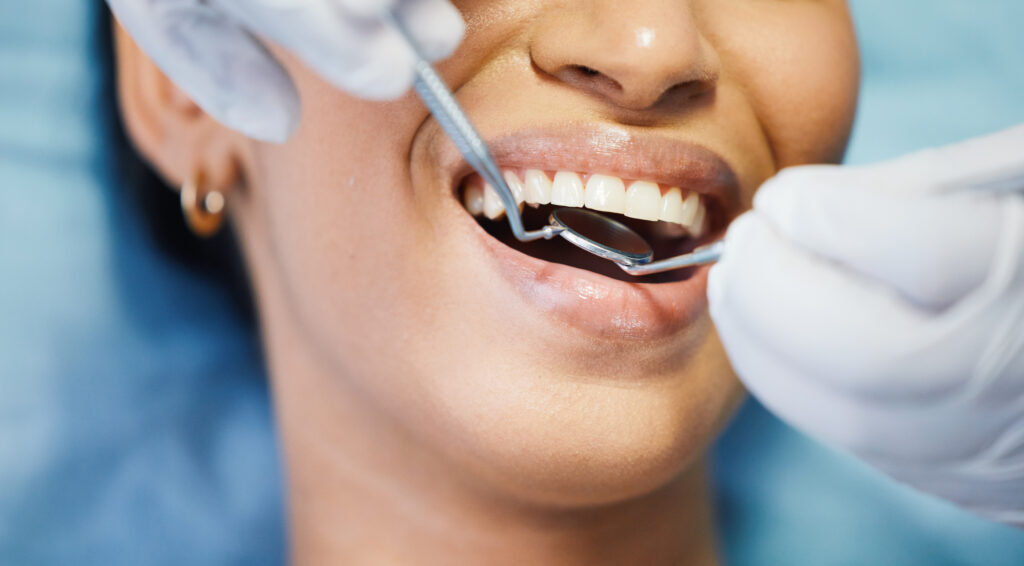
An emergency toothache exam is a focused diagnostic dental visit designed to identify the exact cause of severe oral pain. Using targeted digital X-rays and clinical testing, our dental team pinpoints underlying issues, such as infections or cracked teeth, to provide immediate, same-day pain relief.
How to Manage Severe Tooth Pain at Home
While our team at Azalea Dental works quickly to get you into the chair, you still need to survive the hours before your appointment. Relying on old wives’ tales can make your dental emergency worse. Until you see one of our dental providers, we recommend following these safe, expert-approved steps to manage your pain:
- Use the Right Medication Strategy: Take over-the-counter anti-inflammatories like Ibuprofen to reduce swelling. Never crush an aspirin and place it directly against your gums; this is a dangerous myth that will cause severe chemical burns to your mouth. Medical literature supports the notion that an individual’s postoperative dental pain relief is determined by the rate of aspirin hydrolysis to salicylate [1] (Seymour et al., 1984).
- Apply a Cold Compress: Wrap an ice pack in a towel and hold it against your cheek in 15-minute intervals. This numbs the area and restricts blood flow, which drastically reduces throbbing.
- Warm Saltwater Rinses: Gently swish a mixture of warm water and half a teaspoon of salt around your mouth. This acts as a natural antibacterial wash and helps draw out fluid from inflamed gum tissue. Clinical evidence suggests that the use of saltwater mouthwash showed an anti-inflammatory effect similar to that of Chlorhexidine 0.12% [2] (Collins et al., 2021).
A table that compares immediate relief treatments
Treatment option | Estimated cost level for insured patients | Longevity | Maintenance level |
Palliative care | Low | Temporary | High |
Emergency tooth extraction | Moderate | Permanent | Low |
Emergency pulpotomy | Moderate to high | Long-term | Moderate |
What Your Toothache is Telling You
The specific type of pain you feel acts as a roadmap, telling our clinical team exactly where to look during your emergency exam. When you call Azalea Dental to book your visit, try to describe your pain using these common categories:
- Sharp, Stabbing Pain When Biting: This typically indicates a physical fracture. You may have a cracked tooth or a loose dental filling that is causing sensitivity in the inner tissue when you chew.
- Lingering Pain from Hot or Cold: If you take a sip of cold water and the pain lasts for more than 30 seconds, it is a strong indicator that the nerve inside your tooth is deeply inflamed or beginning to fail.
- Constant, Deep Throbbing: A relentless, heavy throb that radiates to your jaw or ear almost always signals an active infection or a dental abscess. This requires immediate diagnostic X-rays to see how far the infection has spread into the bone. Clinical literature provides evidence that deep, throbbing dental pain involves the area around the mouth and jaw, and this type of pain may indicate an infection [3](Mark et al., 2019).
Why the Hospital ER Cannot Cure Your Toothache
When a toothache occurs, many patients panic and drive to the local hospital emergency room. Hospital ERs are equipped to handle life-threatening medical emergencies, but they do not have emergency dentists on staff. By law, an emergency room physician cannot pull a tooth, perform a root canal, or drill out a cavity. The ER can hand you a prescription for temporary antibiotics to manage the swelling secondary to a possible infection and tell you to call a local dentist. Coming directly to a dedicated dental practice allows us to actually remove the physical source of your toothache outside of temporary treatment measures.
The Hidden Dangers of Ignoring a Toothache
Unfortunately, teeth cannot repair structural damage or fight deep internal infections. When a severe toothache suddenly goes numb, it usually means the nerve inside the tooth has officially died. While the pain signals have stopped, the bacteria are still actively multiplying. This “silent” infection will slowly hollow out your tooth and spread directly into your jawbone, eventually leading to massive facial swelling. Never ignore a toothache that vanishes. A quick, painless digital X-ray is the only way to ensure your jaw is truly safe.
Moving from Crisis to Health
The primary goal of your emergency exam is to stop your pain today. However, true healthcare does not stop at a quick fix. Once we have stabilized your tooth and you are completely comfortable, Dr. Heinsheimer will sit down with you to map out a clear, long-term recovery plan. If we had to perform an emergency root canal, your next step might be scheduling a durable porcelain crown. If an extraction is unavoidable, we can gently guide you through your future replacement options.
FAQS
1. Can I get examined and treated on the exact same day?
Yes. We build specific buffer times into our daily schedule specifically to handle sudden toothaches. In most cases, we can diagnose the problem and provide pain-relieving treatment during the same visit.
2. Will the emergency exam itself hurt?
No. We know you are already in severe pain. Our clinical team uses an incredibly gentle touch. If a tooth is highly sensitive, we can apply a topical numbing gel before we even begin our evaluation to ensure you remain completely comfortable.
3. Why does my toothache throb more at night?
When you lie down to sleep, blood flow increases to your head. This increases the blood pressure inside the infected or inflamed tooth, causing that intense, throbbing sensation.
References
[1] Seymour RA, Williams FM, Ward A, Rawlins MD. Aspirin metabolism and efficacy in postoperative dental pain. Br J Clin Pharmacol. 1984;17(6):697-701. doi:10.1111/j.1365-2125.1984.tb02406.x
[2] Collins JR, Veras K, Hernández M, Hou W, Hong H, Romanos GE. Anti-inflammatory effect of salt water and chlorhexidine 0.12% mouthrinse after periodontal surgery: a randomized prospective clinical study. Clin Oral Investig. 2021;25(7):4349-4357. doi:10.1007/s00784-020-03748-w
[3] Mark A Dealing with tooth pain The Journal of the American Dental Association, 150812