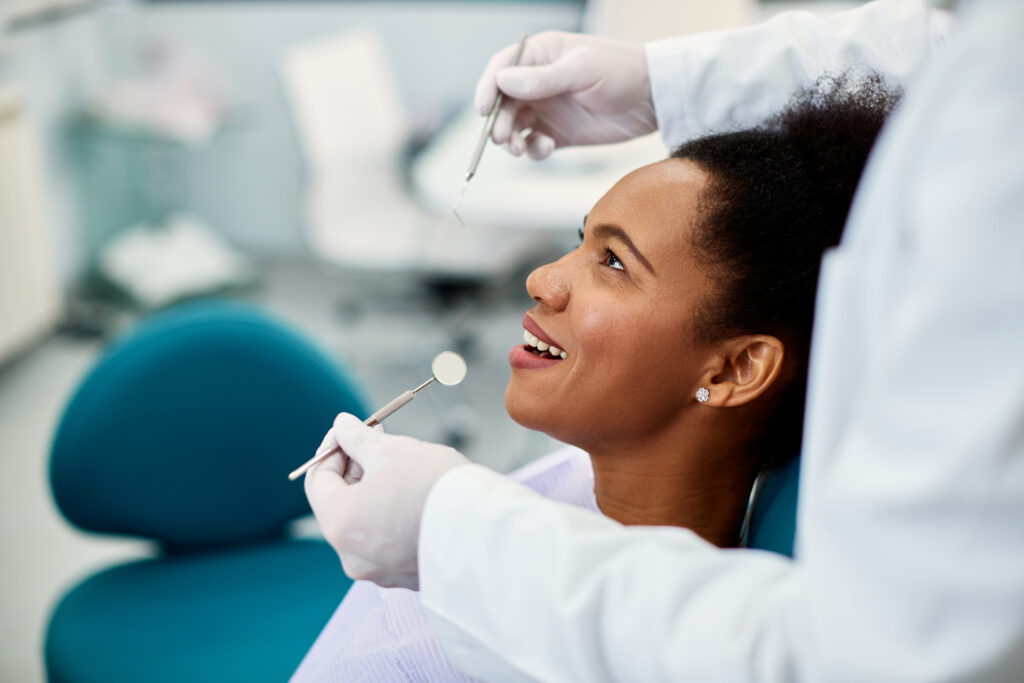
A pain-free dental exam is a modern diagnostic assessment that prioritizes patient comfort by minimizing sensory triggers and physical discomfort. At Azalea Dental, we utilize advanced digital imaging, intraoral cameras, and gentle techniques to thoroughly evaluate your oral health without causing pain or anxiety.
Understanding Your Dental Anxiety
Dental anxiety is a recognized psychological response, often stemming from a negative or painful childhood experience at the dentist. For years, the dental industry focused strictly on treating teeth, often forgetting there was a human being attached to them. Patients felt rushed, ignored, or lectured. At Azalea Dental, we believe that treating your anxiety is just as important as treating your enamel. We operate a “No-Judgment Zone.” Whether it has been six months or sixteen years since your last exam, we will never lecture you about your oral health. Our only goal is to provide a safe, empathetic space where you can comfortably get your smile back on track.
What to Expect During a "No-Rush" Appointment
Fear of the unknown is one of the biggest drivers of dental anxiety. To eliminate that fear, we use a transparent, “Tell-Show-Do” method. Medical literature supports that Tell-Show-Do was more effective than ask-tell-ask in alleviating dental anxiety [1] (Elicherla et al., 2024). Here is exactly what happens during a gentle exam:
- The Conversation: Before we even recline your chair or pick up a mirror, we sit and talk with you. We want to know your specific fears, your dental history, and your goals.
- The Visual Tour: Using our pen-sized intraoral camera, we take a painless digital tour of your mouth. You get to watch on the screen as we explain what we see. There are no surprise pokes or prods.
- The Gentle Assessment: If we need to check your gum health, we use smooth instruments and a feather-light touch. We regularly check in with you to get your feedback.
- The Action Plan: We summarize our findings. If you need a filling or a deeper cleaning later, we explain exactly what it will feel like so you are fully prepared.
Table that compares traditional and gentle dental exams
Feature | Traditional dental exams | Azalea Dental’s gentle exams | Ignoring the dentist |
Comfort level | Low to moderate | Very High | Severe pain |
Diagnostic tools | Metal explorers | Intraoral cameras, low-radiation digital sensors | None |
Patient control | Low | High | Zero |
Long-term impact | Build dental anxiety | Builds trust and confidence | Expensive, invasive procedures later |
Easing Your Senses
A clinical, sterile-feeling environment immediately puts the brain on high alert. To combat this, we have designed our Wilmington clinic to feel more like a wellness space than a traditional medical facility. We offer a variety of sensory-calming amenities to help you relax and distract yourself. If the high-pitched sounds of a dental office bother you, we encourage you to use noise-canceling headphones to listen to your favorite podcast or playlist. If you have a sensitive gag reflex, we provide topical numbing gels to dull any tickling sensations on your palate.
Stopping Dental Fear Before It Starts
Clinical literature supports that therapy should be customized to each individual following proper evaluation, and should be based on the dentist’s experience [2] (Appukuttan et al., 2016). If you are a parent, you likely want to protect your children from the same dental fears you had as a child. Pediatric dental anxiety is entirely preventable when children are introduced to the dentist in a fun, non-threatening way. Azalea Dental is a family-friendly practice that specializes in pediatric pacing. When your child visits us for their exam, we use child-friendly language to explain our tools. Our suction tool becomes a “vacuum,” and our air-water syringe becomes a “water gun.” We let them touch the clean instruments, ride in the chair, and watch their favorite show. By making their biannual exams a positive, rewarding experience, we ensure your children grow up viewing the dentist as a trusted friend, setting them up for a lifetime of healthy smiles.
How a 45-Minute Exam Prevents Toothaches
A cavity typically begins to hurt when it has eaten through your enamel and reached the inner layers of the tooth. . By the time you feel a throbbing toothache, what could have been a simple, painless filling often requires a more complex root canal or an emergency extraction. By investing just 45 minutes in a gentle, stress-free preventive exam today, Dr. Heinsheimer can spot tiny microscopic issues before they ever have the chance to cause you pain. Preventive care is the ultimate insurance policy against future dental anxiety.
FAQS
1. Do dental exams hurt if I already have sensitive teeth?
No, they should not. If you suffer from extreme sensitivity, please let our team know before we begin. We can apply a mild, topical desensitizing gel to your gums and use warm water instead of cold air to ensure you remain completely comfortable during the visual inspection.
2. Will the dentist poke my teeth with that sharp metal hook?
At Azalea Dental, we have largely replaced aggressive probing with visual and digital diagnostics. While we do use an explorer to gently feel the texture of your enamel, we use a very light touch. We are assessing the tooth surface, not trying to dig into it.
3. Can I wear headphones during my dental exam?
Absolutely! We highly encourage it. For many patients, the sounds of a dental office trigger more anxiety than the actual exam. You are welcome to bring your headphones and listen to music, an audiobook, or a podcast while we work.
References
[1] Elicherla, N. R., Saikiran, K. V., Anchala, K., Elicherla, S. R., & Nuvvula, S. (2024). Evaluation of the effectiveness of tell-show-do and ask-tell-ask in the management of dental fear and anxiety: a double-blinded randomized control trial. Journal of dental anesthesia and pain medicine, 24(1), 57–65. https://doi.org/10.17245/jdapm.2024.24.1.57
[2] Appukuttan D. P. (2016). Strategies to manage patients with dental anxiety and dental phobia: literature review. Clinical, cosmetic and investigational dentistry, 8, 35–50. https://doi.org/10.2147/CCIDE.S63626