
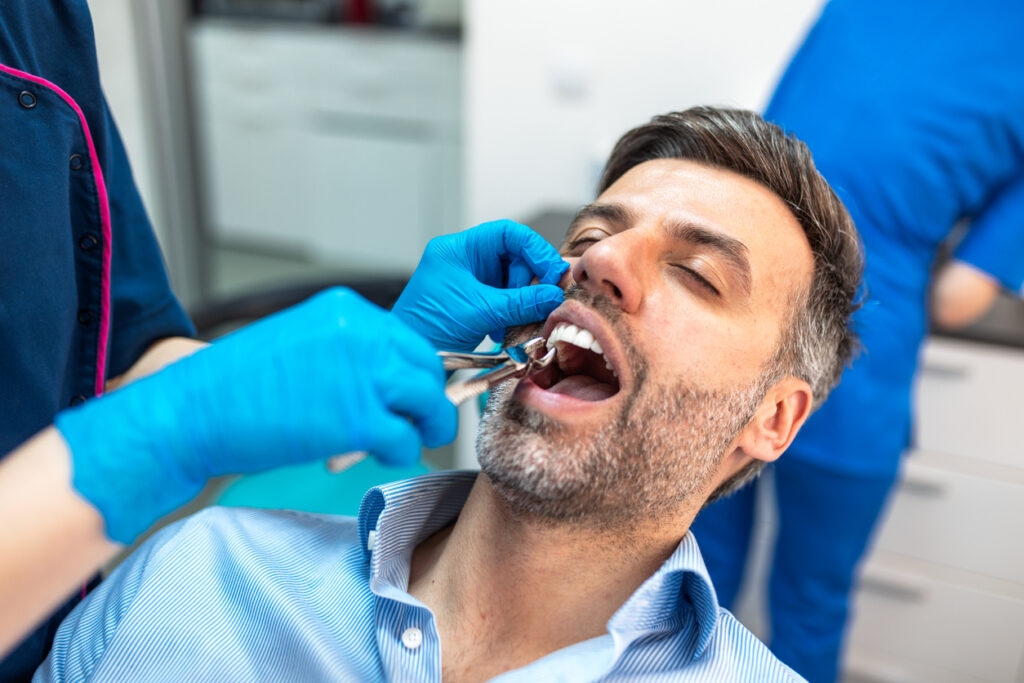
Antibiotics are not always required for a tooth extraction. Dentists prescribe prophylactic antibiotics before an extraction only for patients with specific high-risk medical conditions, such as a history of endocarditis, artificial heart valves, and sometimes previous orthopedic surgeries. For healthy patients, routine dental extractions heal without the need for antibiotics.
Why a Pill Cannot Cure an Infected Tooth
Medical literature supports the use of broad-spectrum antibiotics for prophylaxis against infectious endocarditis and for the treatment of odontogenic infections [1] (Rezaei et al., 2022). To understand why dentists rarely rely on antibiotics alone, you have to look at the unique anatomy of a human tooth. When you get a standard medical infection, the bacteria are living in tissues with a rich, active blood supply. When you take an antibiotic pill, the medication enters your bloodstream and is delivered directly to the site of the infection to destroy the bacteria. A severely decayed or infected tooth operates differently. When the nerve inside the center of your tooth (the pulp) dies from decay, the blood supply to the inside of that tooth is permanently severed. The bacteria essentially multiply inside the dead, hollow space of the root. Because there is no longer any blood flowing inside the tooth, systemic antibiotics cannot physically reach the bacteria hiding there. The medication will simply float past the tooth in your bloodstream. They will successfully kill the bacteria that have spilled out into your surrounding gums or cheek (reducing your visible swelling), but they leave the core area where the bacteria have seeded completely untouched inside the tooth. Until the tooth is mechanically removed by Dr. Barbaro at Azalea Dental, the infection will inevitably return.
Table that compares treatment options
Treatment approach | Cost | Durability | Maintenance level |
Antibiotics | Variable | Very low | High |
Standard extraction, no antibiotics | Highly affordable | Permanent | Low |
Extraction with pre-medication | Moderate | Permanent | Low |
When Prophylactic Antibiotics Are Mandatory
While healthy patients do not need antibiotics for a standard extraction, patient safety is our highest priority. There are strict, scientifically backed scenarios where we must use antibiotics before we even touch your tooth. This is known as “prophylactic pre-medication.” During a tooth extraction, it is normal for a small amount of oral bacteria to enter your bloodstream. For most people, the immune system neutralizes this instantly. However, for patients with specific cardiovascular or joint vulnerabilities, these traveling bacteria can attach to weakened areas of the heart, causing a life-threatening infection called endocarditis. Following the strict guidelines of the American Dental Association (ADA) and the American Heart Association (AHA), we will require you to take a single, high dose of antibiotics 30 to 60 minutes before your extraction if you have:
- A history of infective endocarditis.
- Specific congenital heart defects.
- Artificial (prosthetic/mechanical) heart valves.
- A cardiac transplant that has developed valve problems.
- Certain recently placed artificial joints.
Recognizing a Systemic Infection
Once the infected tooth is removed, the source of the disease is gone. A healthy blood clot will form over the socket, and your immune system will handle the rest efficiently. Prescribing unnecessary antibiotics after a routine extraction destroys the healthy bacteria in your gut microbiome, causes digestive distress, and contributes to the global crisis of antibiotic resistance. Clinical evidence supports that antibiotic exposure exerts selective pressure on bacterial populations, thereby facilitating resistance through genetic changes [2] (Nimmana et al., 2026). However, we will prescribe a post-operative antibiotic if your infection was “systemic,” meaning it had aggressively spread beyond the localized jawbone prior to the extraction. Dr. Barbaro will prescribe a tailored course of antibiotics if you present with:
- Swelling that extends into your neck or near your eye.
- A clinical fever or chills.
- Swollen, tender lymph nodes under your jaw.
- Trismus (an inability to open your mouth fully due to muscle inflammation).
- Difficulty swallowing or breathing.
The Danger of "Waiting It Out" With Urgent Care Prescriptions
The ER doctor will typically hand you a prescription for Amoxicillin and tell you to see a dentist. After taking the antibiotics for three days, your swelling goes down, the throbbing stops, and you feel cured. As a result, you canceled your extraction appointment at Azalea Dental to save money. The infection has not been cured; it has simply been suppressed. By stopping the process halfway, the surviving bacteria inside your dead tooth mutate and multiply. When the infection inevitably flares up again a few weeks or months later, it can become significantly more aggressive. Furthermore, highly inflamed tissue is notoriously difficult to numb with local dental anesthetics. By waiting for the infection to return, you make the eventual extraction more complicated and less comfortable.
Navigating Allergies, Costs, and Your Customized Care Plan
We never want the logistics of medication or pricing to prevent you from getting life-saving dental care. If Dr. Barbaro determines that you need antibiotics before or after your extraction, we tailor the prescription perfectly to your medical history.
- Managing Allergies: If you are allergic to Penicillin or Amoxicillin (the most common dental antibiotics), do not worry. We safely utilize highly effective alternatives, such as Clindamycin, Azithromycin, or Cephalexin, to ensure your infection is cleared without triggering an allergic reaction.
- Transparent Costs: It is important to remember that extraction and antibiotics are billed separately. If you need a prescription, we send it directly to your local Wilmington pharmacy. This is billed to your medical insurance and typically costs only a few dollars out of pocket. For the physical extraction, we bill your dental insurance. Because Azalea Dental is proudly in-network with Delta Dental, Blue Cross Blue Shield, Cigna, and MetLife, your extraction is often covered at 80% after your deductible. If you are uninsured, our front desk team will help you apply for CareCredit financing instantly, ensuring your procedure and overall health remain highly affordable.
FAQS
1. Why did my dentist not prescribe antibiotics after pulling my tooth?
Because they are usually not needed. The human mouth heals incredibly fast once the source of the infection (the bad tooth) is removed. Prescribing antibiotics unnecessarily can cause upset stomachs, allergic reactions, and contribute to antibiotic resistance.
2. How long after starting antibiotics can I get my tooth pulled?
You do not always have to wait. If your swelling is localized, we can often extract the tooth on the exact same day. If you have severe facial swelling, we may prescribe antibiotics for 2 to 3 days to reduce inflammation so the local numbing anesthetics can work properly before the extraction.
3. What if I am allergic to Penicillin or Amoxicillin?
Do not worry. If you require pre-medication for a heart condition but are allergic to the standard penicillin family, Dr. Barbaro will prescribe a highly effective, safe alternative, such as Clindamycin or Azithromycin.
References
[1] Sheikh Rezaei, S., Litschauer, B., Anderle, K., Maurer, S., Beyers, P. J., Reichardt, B., & Wolzt, M. (2022). Antibiotic prescription after tooth extraction in adults: a retrospective cohort study in Austria. BMC oral health, 22(1), 519. https://doi.org/10.1186/s12903-022-02556-w
[2] Nimmana BK, Nguyen AD. Antibiotic Resistance. [Updated 2026 Jan 31]. In: StatPearls [Internet]. Treasure Island (FL): StatPearls Publishing; 2026 Jan-. Available from: https://www.ncbi.nlm.nih.gov/books/NBK513277/