
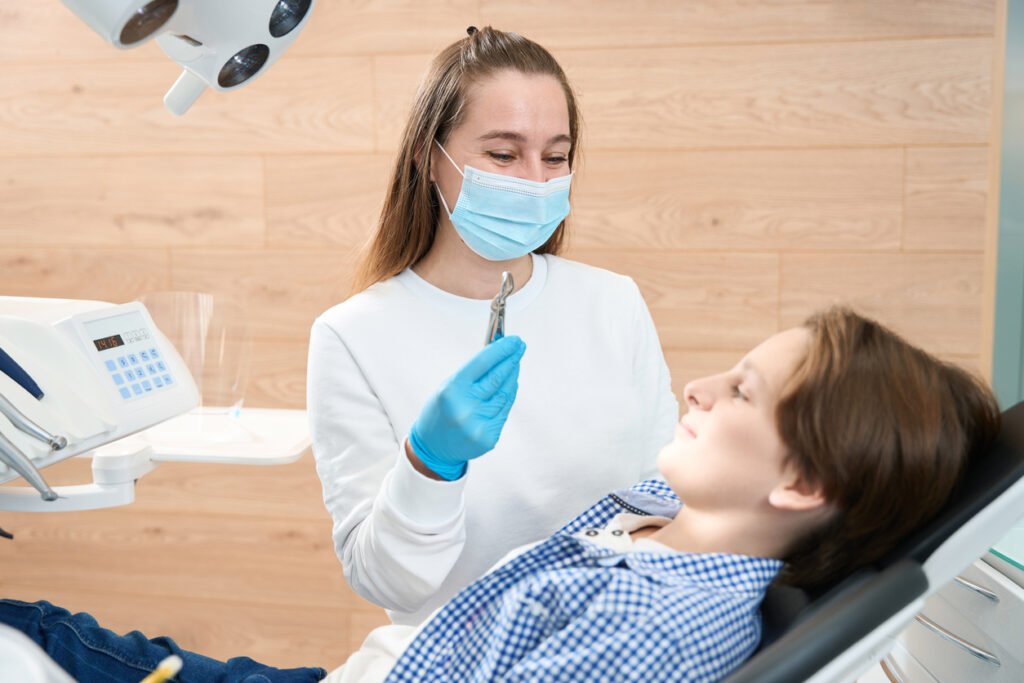
Smoking after a tooth extraction is highly dangerous because the physical suction can dislodge your protective blood clot, while nicotine chemically restricts blood flow to your gums. To prevent a severely painful dry socket, our team at Azalea Dental recommends that you wait a minimum of 72 hours before smoking combustible cigarettes or using a vape. Clinical evidence supports that approximately 13.2% of cigarette smokers developed a dry socket after tooth extraction [1] (Kusnierek et al., 2022).
Can I Smoke Weed After a Tooth Extraction?
When it comes to a healing extraction site, your jawbone cannot tell the difference between tobacco smoke and cannabis smoke. Notably, medical literature supports that the pain score of smokers is significantly higher than that of non-smokers [2] (Sanari et al., 2020). The danger lies in the physical mechanics of smoking. Whether you are smoking a joint, a bowl, or a vape pen, you are still creating that dangerous intraoral vacuum. That suction is exactly what rips the protective blood clot out of your gums. Furthermore, cannabis is famous for causing cottonmouth (clinically known as xerostomia). Saliva is your mouth’s natural healing serum; it washes away bacteria and keeps your gum tissue healthy. By drying out your mouth, cannabis creates a breeding ground for bacteria, drastically increasing your risk of a painful secondary infection. If you rely on THC or CBD, switch to edibles or tinctures for the first 72 hours, but do not chew hard gummies on the side of your extraction.
Why Hookah Is Actually Worse
A common myth among patients is that hookah or water pipes are a safer alternative during recovery because the smoke is cooled by the water. Clinically, hookah is actually one of the most dangerous things you can do to a fresh extraction site. To pull thick smoke down the stem and through the water base of a hookah, your lungs and mouth have to work extensively. This requires a massive amount of sustained suction, far more vacuum than a standard cigarette can produce. That intense pulling motion is almost guaranteed to dislodge your blood clot. Additionally, hookah sessions usually last 30 to 60 minutes. Exposing your raw, healing gum tissue to a continuous stream of carbon monoxide and toxins for that long severely suffocates your blood vessels.
Table that compares nicotine habits during recovery
Nicotine source | Impact on blood clotting | Cost of complications | Recovery timeline |
Combustible cigarettes | Severe risk | High | Very high |
Vaping | Severe risk | High | Very high |
Nicotine pouches | Moderate risk | Moderate | Moderate |
Nicotine patches | None | None | Low |
Is Chewing Tobacco or Snus Safe During Recovery?
If you cannot smoke or vape, you might assume that smokeless tobacco, dip, or nicotine pouches (like Zyn) are the perfect loophole. Unfortunately, placing smokeless tobacco anywhere near a healing extraction site is a recipe for disaster. When you use dip or pouches, your mouth produces excess saliva mixed with a heavy concentration of nicotine and harsh chemical additives. This toxic tobacco juice will inevitably seep into your open extraction socket. Because the tissue is raw and vulnerable, these chemicals will act like acid, causing severe chemical burns and painful tissue inflammation. This chemical irritation destroys the delicate white blood cells trying to rebuild your gums. If you must use a nicotine replacement during your 72-hour recovery window, stick exclusively to a transdermal nicotine patch that goes on your arm, keeping the chemicals completely out of your mouth.
How to Tell if Smoking Already Caused a Dry Socket
Understanding the difference between normal healing soreness and a dry socket will save you a lot of anxiety. Normal extraction pain feels like a dull, localized bruise that peaks on day 2 and steadily improves each morning. A smoker’s dry socket behaves completely differently. You might feel fine on Tuesday, but by Thursday, you are hit with a sudden, sharp, agonizing pain that painkillers cannot touch. This pain often radiates up your jaw and into your ear or temple. You may also notice a foul, metallic taste in your mouth and incredibly bad breath. If your pain is getting aggressively worse instead of better after day three, do not wait it out.
Planning for Dental Implants? How Smoking Changes Your Timeline
Medical research supports that smoking is associated with increased risk of implant failure [3] [3] (Knoernschild, 2025). Dental implants require a healthy, dense jawbone to lock into place through a process called osseointegration. Because smoking chronically restricts blood flow to your jaw, smokers have a significantly higher risk of implant failure and bone loss (a condition called peri-implantitis). If you are considering a dental implant, Dr. Barbaro will sit down with you to create a customized timeline. We often recommend a specific smoking cessation window before and after your implant surgery to ensure your jawbone is strong enough to support your new tooth for a lifetime.
FAQS
1. Can I just put wet gauze over my tooth and smoke?
No. This is a highly dangerous myth. While biting down on wet gauze might physically cover the hole, it does not stop the vacuum pressure from building up inside your mouth when you inhale.
2. Does vaping cause dry socket just like regular cigarettes?
Yes. In fact, some modern vaporizers require you to pull even harder than a traditional cigarette to activate the heating coil. This intense suction, combined with the extreme drying effect of propylene glycol found in vape juice, makes vaping incredibly dangerous for a fresh extraction site.
3. Will using a nicotine patch delay my gum healing?
While nicotine in any form causes mild vasoconstriction (narrowing of the blood vessels), using a transdermal patch is vastly safer than smoking or vaping. A patch removes the mechanical suction and the toxic smoke, allowing your blood clot to stay securely in place while helping you manage your physical cravings.
References
[1] Kuśnierek, W., Brzezińska, K., Nijakowski, K., & Surdacka, A. (2022). Smoking as a Risk Factor for Dry Socket: A Systematic Review. Dentistry journal, 10(7), 121. https://doi.org/10.3390/dj10070121
[2] Sanari, A. A., Alsolami, B. A., Abdel-Alim, H. M., Al-Ghamdi, M. Y., & Meisha, D. E. (2020). Effect of smoking on patient-reported postoperative complications following minor oral surgical procedures. The Saudi dental journal, 32(7), 357–363. https://doi.org/10.1016/j.sdentj.2019.10.004
[3] Knoernschild, K. (2025). Tobacco Use and Oral Health. Prosthodontics.org. https://www.prosthodontics.org/about-acp/position-statement-tobacco-use-and-oral-health/