
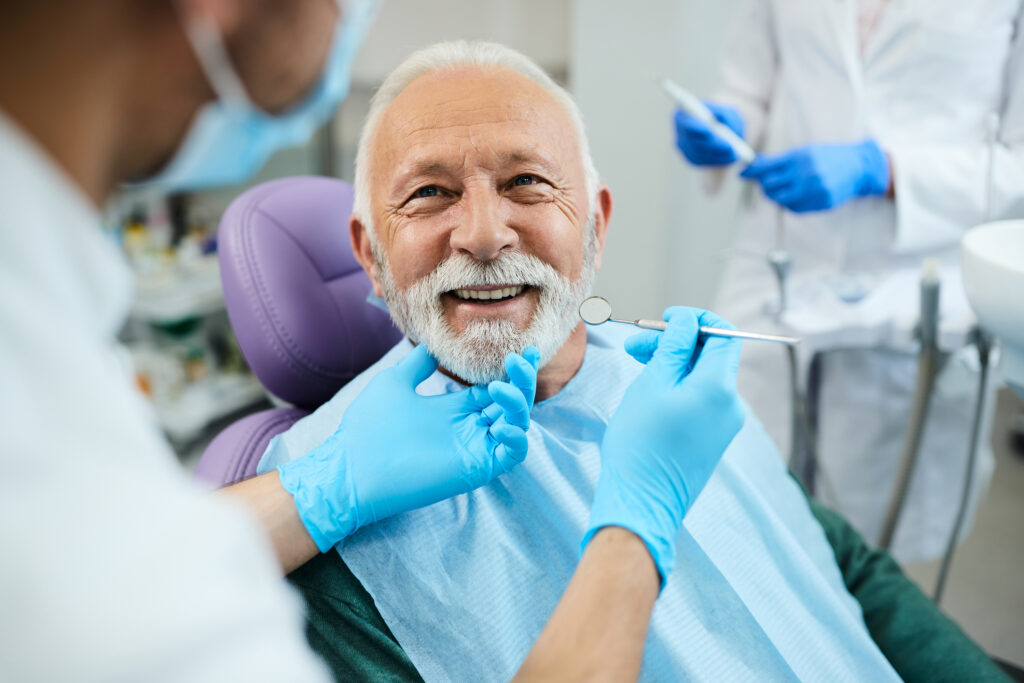
An emergency tooth extraction is a rapid, same-day dental procedure performed to safely remove a severely infected, broken, or irreparably decayed tooth. At Azalea Dental in Wilmington, this immediate intervention stops extreme pain, prevents bacteria from spreading to your jawbone, and protects your overall systemic health.
What to Do in the 60 Minutes Before Your Extraction
Once you have called Azalea Dental and secured your same-day emergency appointment, how you spend the next hour can heavily impact your comfort. First, do not take Aspirin. While it is a common painkiller, Aspirin thins your blood, which can make it harder for a healthy clot to form after your tooth is removed. Stick to Ibuprofen (Advil/Motrin) or Acetaminophen (Tylenol) to manage the swelling. Second, gather your photo ID, your insurance card, and any current medication lists so our Wilmington front desk team can fast-track your intake. In fact, eating a small, light meal before you arrive helps keep your blood sugar stable, keeping you calm and comfortable in the chair.
The 48-Hour Recovery Timeline: What to Actually Expect
The good news is that healing from a modern extraction is much faster than you might think. Here is what your first 48 hours will look like:
- Hours 1 to 12: Your mouth will remain numb for a few hours after leaving our clinic. As it wears off, switch to a soft-food diet, such as yogurt or applesauce. Apply an ice pack to your cheek for 15 minutes at a time to stop swelling before it starts.
- Hours 12 to 24: You may experience mild soreness and minor pink oozing, both of which are completely normal. Keep your head elevated on an extra pillow while you sleep to reduce blood pressure in your jaw.
- Hours 24 to 48: By day two, the swelling will peak and begin to rapidly decrease. Most patients easily return to their desk jobs, run errands, and resume normal daily life, just avoiding heavy lifting or intense workouts at the gym for a few more days.
Table that compares emergency pain relief options
Treatment option | Estimated cost impact | Durability of relief | Long-term maintenance level |
Emergency root canal | Moderate to high | 10-15 years | Moderate |
Simple emergency extraction | Low to moderate | Permanent | Low |
Surgical emergency extraction | Moderate | Permanent | Low |
ER visit | Very high | Temporary | High |
Demystifying Dry Socket
Clinical evidence indicates that dry socket is unavoidable in everyday oral surgery or dental practice [1] (Tarakji et al., 2015). When a tooth is removed, a protective blood clot forms in the empty space to cover the underlying bone and nerves. A dry socket only occurs if that delicate blood clot is accidentally dislodged before the gum heals. You have control over how you protect your extraction site. To keep your blood clot safe, follow three strict rules for the first 72 hours: No drinking through straws, no smoking or vaping, and no aggressive spitting. The suction created by these actions is the number one cause of a dislodged clot. By simply sipping your water and resting, your mouth will naturally do the rest of the healing work flawlessly.
How to Know Your Extraction Site is Healing Normally
Understanding what normal healing looks like will save you a lot of unnecessary stress. A few days after your emergency extraction, you might notice a soft, white, or yellowish film forming over the empty socket. Many patients mistake this for pus or an infection. Do not panic; this is actually “granulation tissue.” It is the protective matrix your body builds to grow new gums, and it means you are healing perfectly. Medical literature indicates that mandibular extractions tend to have a slower healing response [2] (Gadhia et al., 2023). Mild soreness and a slightly stiff jaw are also normal for the first week. However, if you experience a sudden return of intense, throbbing pain on day four or develop a fever, call Azalea Dental immediately. We will bring you right back in to ensure that things are on track.
The Next Step: Planning Your Tooth Replacement
Right now, your only goal is to stop the pain and get the infected tooth out of your head. But once the crisis is over and your gums have healed, you will likely want to fill the gap left behind. Leaving an empty space in your smile for too long allows your surrounding healthy teeth to shift out of place, altering your bite. We do not want to overwhelm you with future plans today. However, Dr. Barbaro will typically schedule a brief follow-up visit with you a few weeks after your extraction. During this comfortable checkup, we will confirm your gums are fully healed and discuss your timeline for a permanent replacement. Whether you eventually choose a durable dental implant or a custom dental bridge, we usually recommend waiting 3 to 4 months. This gives your jawbone time to regenerate, ensuring your new tooth has a solid, permanent foundation.
FAQS
1. Does Azalea Dental do emergency tooth extractions on the exact same day?
Yes. We actively build buffer times into our daily schedule specifically to handle sudden dental emergencies. In the vast majority of cases, we can diagnose the fractured or infected tooth and safely extract it during the exact same visit.
2. Will I be put to sleep for an emergency tooth removal?
Typically, no. General anesthesia requires a longer medical clearance process that delays urgent care. Instead, we use highly effective local anesthesia to completely numb the area. You will remain awake and aware, but you will not feel any pain during the physical extraction.
3. How quickly can I return to work after my extraction?
Most patients can return to a desk job or light duties the very next day. However, if you work a physically demanding job in Wilmington, we recommend taking 48 hours off to avoid strain on your body, which can indirectly disrupt the healing process in your gums.
About The Author
Dr. Colin Barbaro, DDS, provides comprehensive general and cosmetic dentistry at Azalea Dental in Wilmington, NC. With advanced surgical training from a VA hospital residency, he specializes in implant placement, TMJ therapy, restorative care, and endodontics. He is committed to delivering safe, evidence-based solutions that keep patients comfortable and informed at every step.
References
[1] Tarakji, B., Saleh, L. A., Umair, A., Azzeghaiby, S. N., & Hanouneh, S. (2015). Systemic review of dry socket: aetiology, treatment, and prevention. Journal of clinical and diagnostic research : JCDR, 9(4), ZE10–ZE13. https://doi.org/10.7860/JCDR/2015/12422.5840
[2] Gadhia A, Pepper T. Oral Surgery, Extraction of Teeth. [Updated 2023 Jun 1]. In: StatPearls [Internet]. Treasure Island (FL): StatPearls Publishing; 2026 Jan-. Available from: https://www.ncbi.nlm.nih.gov/books/NBK589654/