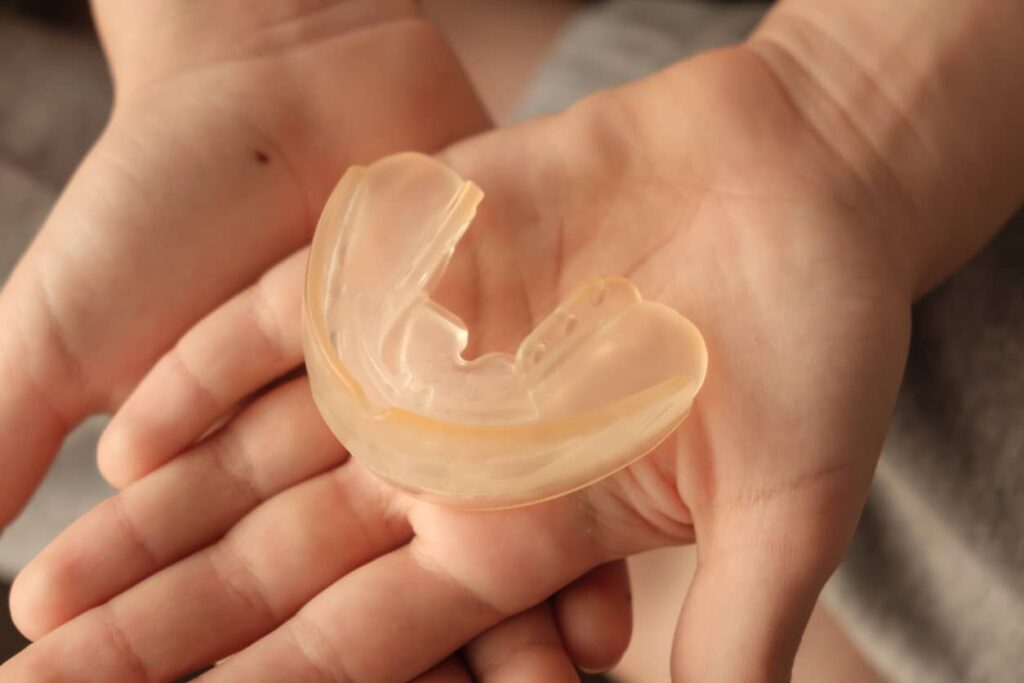
Using FSA or HSA funds for a custom dental night guard at Azalea Dental is a tax-advantaged way to treat teeth grinding (bruxism). Because the IRS classifies prescribed night guards as qualified medical expenses, patients can use pre-tax dollars to cover the consultation, digital scanning, and fabrication of the protective appliance.
Why the IRS Classifies Custom Night Guards as Medical Expenses
When navigating your healthcare benefits, you might wonder why certain dental items qualify for pre-tax spending while others do not. The IRS Publication 502 explains the itemized deduction for medical and dental expenses that you claim on Schedule A (Form 1040) [1] (IRS, n.d.). According to the tax code, expenses must be primarily for the purpose of alleviating or preventing a physical or mental defect or illness. Because teeth grinding (bruxism) is a diagnosed clinical condition that leads to fractured enamel and jaw joint deterioration, a custom night guard is not considered an elective comfort item. It is a prescribed medical device designed to treat a specific disease. When Dr. Barbaro submits your treatment plan using the specific American Dental Association (ADA) billing code for an occlusal guard, benefits administrators automatically recognize it as a qualified, tax-exempt healthcare purchase.
Comparing night guard investments
Appliance type | Estimated upfront cost | Durability and fit | Long-term financial ROI |
Custom guard | Moderate | 3-5 years / flawless fit | High |
Store-bought boil-and-bite guard | Low | 3-6 months | Low |
No appliance | None | N/A | Very low |
Navigating FSA "Carryovers" and "Grace Periods"
While the standard rule for a Flexible Spending Account is “use it or lose it” by midnight on December 31st, your specific employer plan might offer a slight safety net. Before you panic about the year-end deadline, check with your Human Resources department to see if your plan includes one of these two common exceptions:
- The 2.5-Month Grace Period: Some plans allow you to spend your current-year funds up until March 15th of the following year.
- The Carryover Limit: Other employers permit you to roll over a set amount of unused funds (typically up to $640) into the new calendar year.
If your plan does not offer either of these exceptions, scheduling your digital scan at Azalea Dental in November or December is the only way to guarantee your dollars are protected.
Using Pre-Tax Dollars to Replace an Old or Dirty Night Guard
If you already own a custom night guard, you are ahead of the curve. However, these protective appliances do not last forever. Night guards endure hundreds of pounds of pressure every single night. Over three to five years, the acrylic can develop micro-fractures, lose its snug fit, or become discolored and porous. A porous night guard acts as a sponge for oral bacteria, which can lead to chronic bad breath or gum irritation. If you have an aging guard sitting on your nightstand, you can absolutely use your expiring FSA or HSA funds to purchase a hygienic replacement. Updating your appliance helps keep your jaw properly aligned and your mouth free of bacteria.
How to Combine a Partial FSA Balance with Dental Insurance
A common dilemma patients face at the end of the year is having a small, leftover FSA balance, perhaps only $100 or $150. You might assume this is not enough to cover a custom appliance, so you let the money expire. At Azalea Dental, our billing coordinators excel at the split-transaction strategy. We never want you to leave money on the table. If you have a partial FSA balance, we will bill your primary dental insurance first. Once your insurance covers its contracted percentage, we apply your remaining $100 FSA balance directly to your out-of-pocket copay. If a small balance still remains, we can easily finance it using a 0% interest CareCredit plan. This strategic approach squeezes the maximum value out of every remaining pre-tax dollar.
The Material Difference: Why Store-Bought Guards Rarely Qualify
Patients often ask if they can just use their HSA debit card to buy a cheap “boil-and-bite” guard from the local pharmacy. While some pharmacies may process the transaction, store-bought guards frequently fail to provide the medical relief you are actually paying for. Over-the-counter guards are made from soft, squishy plastics. Biologically, soft plastic actually stimulates your brain’s chewing reflex. Instead of resting, your jaw muscles spend the entire night chewing on the soft guard, which worsens tension headaches and jaw fatigue. Clinical literature suggests that Store-bought guards are cheaper, but they are not as effective as custom-made mouth guards for protection against teeth grinding or sports-related injuries [2] (Clinic, 2023). Your custom guard from Azalea Dental is fabricated from medical-grade, dual-laminate acrylic. It features a comfortable inner layer and a rigid outer shell that safely distributes bite force and helps relax your jaw muscles. Investing your pre-tax funds into a precise, lab-milled appliance is the only way to guarantee your bite is truly protected.
FAQS
1. Do I need a Letter of Medical Necessity (LMN) to use my FSA for a night guard?
In most cases, no. Because a custom night guard to treat bruxism is a standard, recognized dental procedure (using specific ADA codes), benefits administrators typically approve the expense with just our itemized receipt. If your specific plan does request an LMN, Dr. Barbaro will gladly provide one.
2. Can I use next year's FSA funds if the night guard is delivered in January?
The IRS generally applies the expense to the date the service was provided or billed, not the delivery date. If we scan your teeth and process your payment in December, it will pull from your expiring current-year funds, even if you pick up the physical guard in early January.
3. Does dental insurance cover the night guard if I also use my HSA?
Yes. We can bill your primary dental insurance first.
References
[1] IRS. (n.d.). About Publication 502, Medical and Dental Expenses | Internal Revenue Service. Www.irs.gov. https://www.irs.gov/forms-pubs/about-publication-502
[2] Clinic, C. (2023, January 10). Types of Mouth Guards & How They Protect Your Teeth. Cleveland Clinic. https://my.clevelandclinic.org/health/treatments/10910-mouthguards