
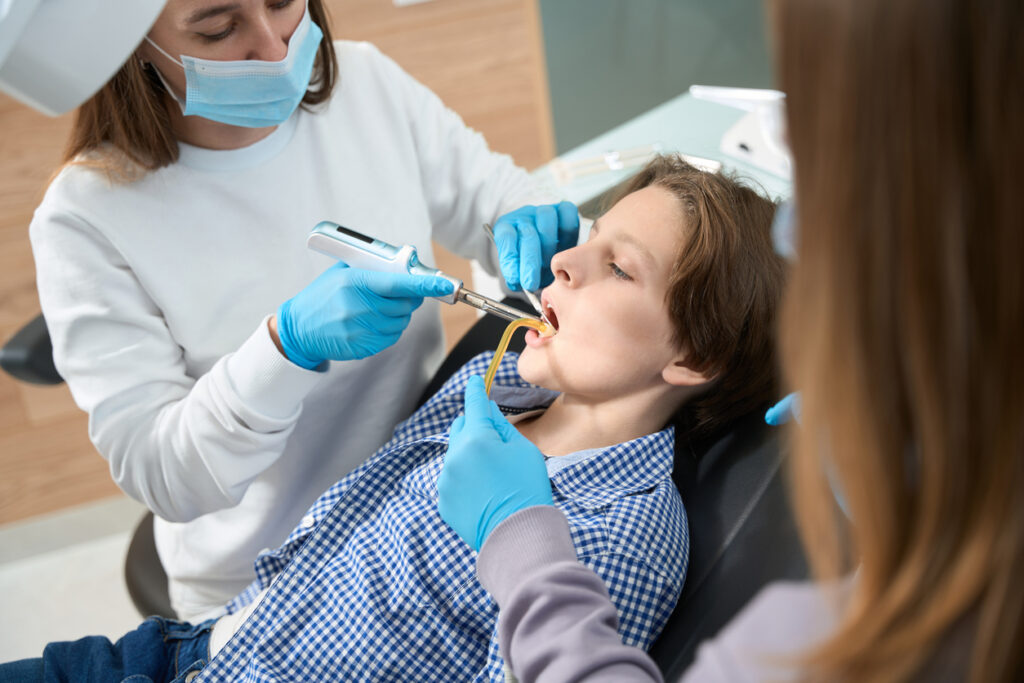
A pain-free tooth extraction is a specialized clinical procedure that utilizes topical numbing agents, advanced local anesthesia, and customized sedation to remove a severely damaged tooth without discomfort. Dr. Barbaro at Azalea Dental combines modern pharmacology with empathetic pacing to ensure patients feel absolutely zero sharp pain.
The Difference Between Pain and Pressure During an Extraction
Medical literature indicates that non-orofacial pressure pain threshold and tolerance were lower in participants with dental fear, emphasizing the role of pain sensitivity in dental fear [1] (Kankaanpaa et al., 2019). One of the primary reasons patients fear tooth extractions is a misunderstanding of what the procedure will feel like. When you have a severely infected or broken tooth, your body’s nerve endings are already inflamed. The goal of a pain-free extraction is to completely shut off the pain receptors in that localized area. To feel completely at ease in the dental chair, it is vital to understand the difference between pain and pressure. Pain is a sharp, pinching, throbbing, or zinging sensation. Thanks to advanced local anesthetics, the sharp pain pathways connecting your tooth to your brain are completely blocked. Pressure is simply the feeling of movement, weight, or a dull push. The nerves that detect pressure (called proprioceptors) are not completely blocked by local anesthesia. During the procedure, you will likely feel Dr. Barbaro apply a firm yet gentle rocking pressure to ease the tooth out of its socket. Because your brain is not used to feeling pressure without pain, it can temporarily confuse the two. Knowing that a dull push is completely normal helps your brain relax. If you ever feel anything beyond that dull pressure, you simply raise your hand, and we will immediately pause to administer more numbing medication.
A table that compares comfort options during an extraction
Comfort option | Cost impact | Durability of effect | Post-op maintenance level |
Local anesthesia | $0 | Wears off in 2 to 4 hours | Low |
Nitrous oxide | Low out-of-pocket | Wears off completely in 5 minutes | Low |
Oral conscious sedation | Moderate out-of-pocket | Lasts 4-6 hours | Moderate to High |
Dr. Barbaro’s Step-by-Step Numbing Protocol
At Azalea Dental, we have reimagined the numbing procedure. Dr. Barbaro uses a layered, pharmacological approach to ensure your physical comfort before the procedure even begins. Here is our exact protocol:
- Step 1: First, we gently dry the gum tissue around the affected tooth. Saliva can dilute numbing agents, so a dry surface ensures maximum absorption.
- Step 2: We apply a pharmaceutical-grade topical benzocaine gel directly to your gums using a soft swab. We leave this on for a full minute to deeply desensitize the surface tissue.
- Step 3: Cold medication causes a stinging sensation upon entry into the body. We gently warm our local anesthetic to match your body temperature, which significantly reduces discomfort.
- Step 4: The “pinch” most people associate with dental shots is actually caused by the liquid being pushed into the tissue too fast. Dr. Barbaro administers the medication very slowly, allowing the tissue to numb on its own as the liquid is introduced.
- Step 5: We never pick up an extraction instrument based on guesswork. Before we begin, Dr. Barbaro will gently test the surrounding gums and the tooth itself. We will ask you what you feel. We do not proceed until you confidently confirm that the area is 100% numb.
Choosing the Right Sedation for Your Dental Anxiety
While local anesthesia effectively handles your physical comfort, we know that your mental comfort is just as important. Lying in a dental chair while anticipating a procedure can trigger a fight-or-flight response. To combat this, Azalea Dental offers tailored sedation options to put your mind at ease.
- Nitrous Oxide (Laughing Gas): This is our most popular option for mild to moderate anxiety. Inhaled through a comfortable mask resting on your nose, this gas induces a deep, warm sense of euphoria and relaxation. You remain fully awake and able to communicate with our team, but you will not be aware of the procedure happening around you. The effects wear off completely within five minutes of removing the mask.
- Oral Conscious Sedation: For patients with severe dental phobias or those who have had traumatic dental experiences in the past, we offer oral sedation. Clinical literature supports the use of oral sedation techniques, which allow patients to visit the dentist in a reduced state of stress, where fear and anxiety would otherwise impede their ability to seek and maintain proper oral health care [2] (Donaldson et al., 2007). This involves taking a prescribed anti-anxiety pill shortly before your appointment. You will feel incredibly drowsy, deeply relaxed, and entirely disconnected. Many patients even experience an amnesic effect, meaning they remember very little about the extraction. Because this medication lingers in your system for a few hours, you will need a trusted friend or family member to drive you home.
What Happens Immediately After the Tooth is Removed?
Patients are often shocked by how quickly the actual extraction is completed. Because we do the heavy lifting with our numbing and sedation protocols up front, the physical removal of the tooth often takes only a few minutes. But your care does not stop the second the tooth is out. Immediately after the extraction, Dr. Barbaro will gently clean the empty socket to ensure that no bacteria or infected tissue remain. We will then place sterile medical gauze over the site and ask you to bite down with firm, steady pressure. This pressure is critical: it acts as a physical barrier to stop bleeding and helps your body form a healthy blood clot. This blood clot is part of your healing process, protecting your exposed bone and nerves while the gum tissue heals. Clinical evidence supports that, in most cases, hemostasis is achieved within 10 minutes of blood clot formation after extraction [3] (Yerragudi et al., 2023).
Managing Your Comfort Safely at Home
To ensure your recovery is smooth and comfortable, you must proactively manage your healing at home. Your local anesthesia will typically wear off between two and four hours after you leave Azalea Dental. We highly recommend taking your first dose of an over-the-counter anti-inflammatory medication (such as Ibuprofen or Tylenol) before the numbness fades. By getting the medication into your bloodstream early, you prevent swelling from peaking and stop the throbbing sensation before it ever begins. Additionally, apply a cold compress to the outside of your cheek in 15-minute intervals for the first 24 hours. This restricts blood flow to the area, drastically reducing post-operative swelling. Finally, stick to a diet of soft, room-temperature foods like yogurt, mashed potatoes, or smoothies. Most importantly, avoid using a straw for at least 72 hours, as the suction can dislodge your healing blood clot. By following these simple steps, your recovery will be just as smooth as your time in the chair.
FAQS
1. Does the numbing shot for a tooth extraction hurt?
No, it should not. Dr. Barabro uses a powerful topical numbing gel on your gums before any injection occurs. With very slow anesthetic delivery, most patients report only a minor, dull pinch that disappears in seconds.
2. Will I feel anything when the tooth is actually pulled?
You will feel physical pressure, but not sharp pain. Local anesthesia completely blocks pain receptors.
3. How long does it take for the anesthesia to wear off after an extraction?
Standard local anesthesia typically lasts for two to four hours after your procedure. We recommend waiting until the numbness completely wears off before eating any hot meals or chewing solid foods to prevent you from accidentally biting your lip or tongue.
References
[1] Kankaanpää R, Auvinen J, Rantavuori K, Jokelainen J, Karppinen J, Lahti S. Pressure pain sensitivity is associated with dental fear in adults in middle age: Findings from the Northern Finland 1966 birth cohort study. Community Dent Oral Epidemiol. 2019;47(3):193-200. doi:10.1111/cdoe.12443
[2] Donaldson, M., Gizzarelli, G., & Chanpong, B. (2007). Oral sedation: a primer on anxiolysis for the adult patient. Anesthesia progress, 54(3), 118–129. https://doi.org/10.2344/0003-3006(2007)54[118:OSAPOA]2.0.CO;2
[3] Yerragudi, N., Chawla, J. G., Kalidoss, V. K., Polineni, S., Jayam, C., & Kumar, C. (2023). The Optimal Hemostasis Duration After Tooth Extraction: A Randomized Controlled Trial. Cureus, 15(1), e33331. https://doi.org/10.7759/cureus.33331