
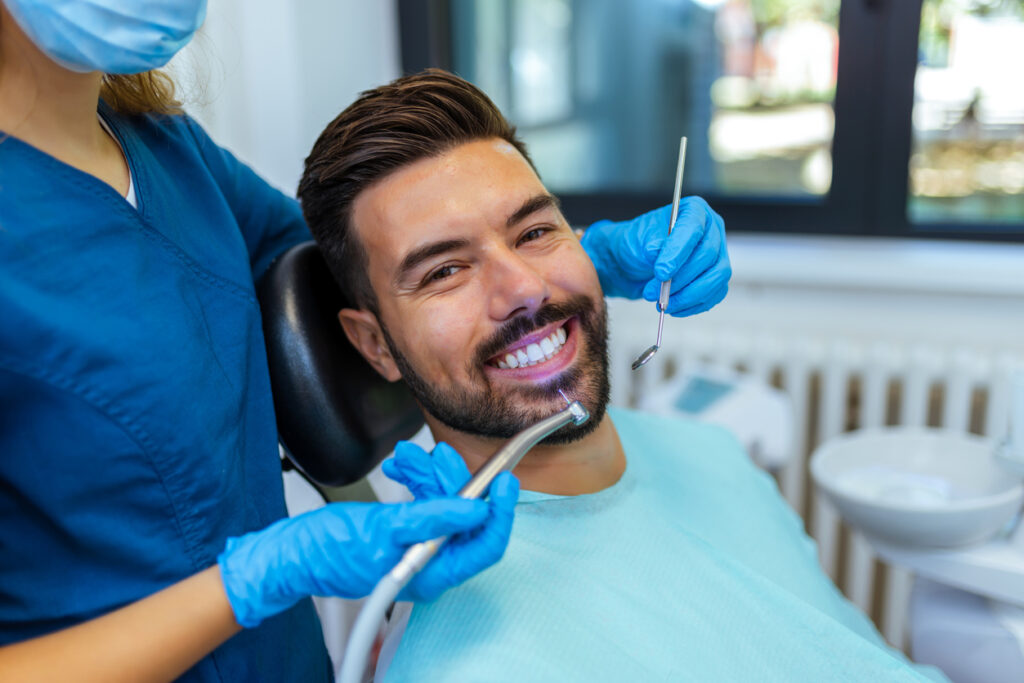
Returning to work after a tooth extraction at Azalea Dental depends on the complexity of your procedure and the physical demands of your job. While desk workers can often resume normal duties within a day of a simple extraction, physical laborers and those undergoing surgical removals require more rest.
Communicating About Your Dental Procedure
When requesting time off or modified duties, keep your communication brief. Simply state that you are undergoing a necessary oral surgery and provide your recovery timeline. If your job requires heavy phone time, proactively ask your manager if you can shift your focus to administrative tasks for a few days. Setting these boundaries before your procedure ensures your team knows exactly what to expect, eliminating the pressure to overperform.
Table that compares extraction types and PTO usage
Extraction category | Cost | PTO needed | Workplace maintenance level |
Simple extraction | Highly affordable | 1 day | Low |
Surgical extraction | Moderate | 2 -3 days | Moderate |
Impacted wisdom teeth | Higher | 3 – 5 days | High |
Managing Zoom and Virtual Meetings Post-Surgery
For remote and hybrid workers, video calls present a unique challenge. Because post-extraction facial swelling typically peaks between 48 and 72 hours after your procedure, you might feel a bit self-conscious on camera. Do not let this derail your productivity. Simply send a quick message to your team at the start of the day, letting them know you will be “camera-off” due to minor dental work. Furthermore, utilize your meeting platform’s chat function as much as possible. Typing your responses instead of speaking gives your jaw muscles the vital rest they need to recover smoothly.
Prescription Painkillers vs. Your Office Productivity
There is a strict line between working through mild soreness and working under the influence of heavy medication. If you underwent a complex surgical extraction, Dr. Barbaro may have prescribed a short course of narcotic painkillers for your first day or two of recovery. You absolutely cannot work, drive, or operate heavy machinery while taking these prescriptions. They severely impair your cognitive function, reaction times, and decision-making skills. You are only cleared to return to the office once you have safely transitioned exclusively to over-the-counter anti-inflammatories like Tylenol or Advil.
How to Handle a Mid-Shift Dental Flare-Up
Even with perfect planning, your mouth might occasionally ache during a long workday. If you experience minor pink oozing while at your desk, do not panic. Simply fold a clean piece of gauze, place it over the extraction site, and bite down with firm, steady pressure for 15 minutes while you continue to work. Clinical literature supports that placing a moist cotton gauze pressure pack over the extraction socket often controls this bleeding [2] (Yerragudi et al., 2023). However, if you are sitting at your desk on day three or four and suddenly feel a sharp, radiating pain shoot up toward your ear, you may have developed a dry socket. Step away from your workspace and call the dental office immediately. We actively build emergency buffer times into our daily schedule so we can get you out of pain and right back to your day.
FAQS
1. Can I go to a work meeting immediately after using laughing gas?
Yes. Nitrous oxide (laughing gas) is the ultimate solution for busy professionals. The mild, euphoric effects wear off completely within five minutes of removing the mask.
2. How do I discreetly manage facial swelling at the office?
Swelling typically peaks on day two or three. To manage this at work, keep a small, soft ice pack in your office freezer and hold it against your cheek for 15-minute intervals. Stick exclusively to non-drowsy, over-the-counter anti-inflammatories like Ibuprofen to reduce swelling without impairing your focus.
3. What work-friendly soft foods can I pack for my lunch break?
Avoid crunchy snacks like chips or nuts in the breakroom, as they can lodge in your healing socket. Excellent work-friendly lunches include Greek yogurt, applesauce cups, mashed potatoes, or lukewarm blended soups kept in a thermos.
References
[1] Pozzi, A., & Gallelli, L. (2011). Pain management for dentists: the role of ibuprofen. Annali di stomatologia, 2(3-4 Suppl), 3–24.
[2] Yerragudi, N., Chawla, J. G., Kalidoss, V. K., Polineni, S., Jayam, C., & Kumar, C. (2023). The Optimal Hemostasis Duration After Tooth Extraction: A Randomized Controlled Trial. Cureus, 15(1), e33331. https://doi.org/10.7759/cureus.33331