
Dental Implants Wilmington
Custom Replacement Teeth to Keep Your Smile Healthy
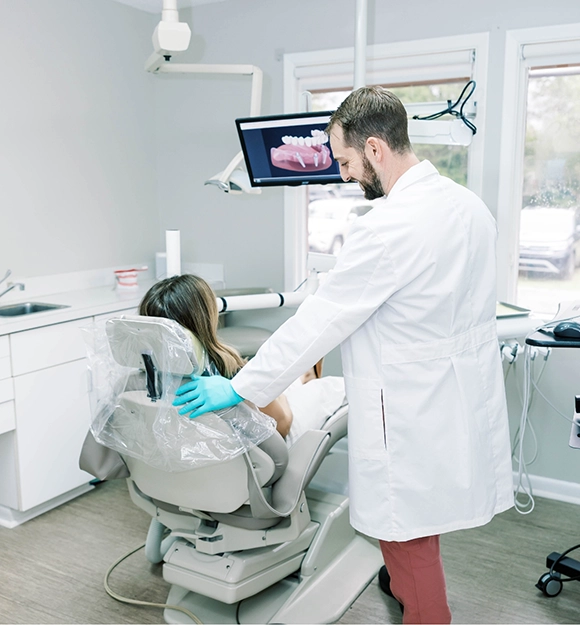
Are you missing teeth and looking for a reliable, long-lasting solution? Dental implants may be the perfect option for you. At Azalea Dental, we offer state-of-the-art dental implant services designed to restore your smile and improve your quality of life. And what’s more, Dr. Heinsheimer is here to guide you through every step of the process in our office, no referrals needed. Book your FREE dental implant consultation online today to learn more about how these prosthetics can transform your life!
Why Choose Azalea Dental for Dental Implants?
- Dentist Places & Restores Dental Implants In-House
- We Use a CT/Cone Beam Scanner to Carefully Plan Your Treatment
- Uninsured Patients Can Take Advantage of Our In-House Membership Plan
What Are Dental Implants?
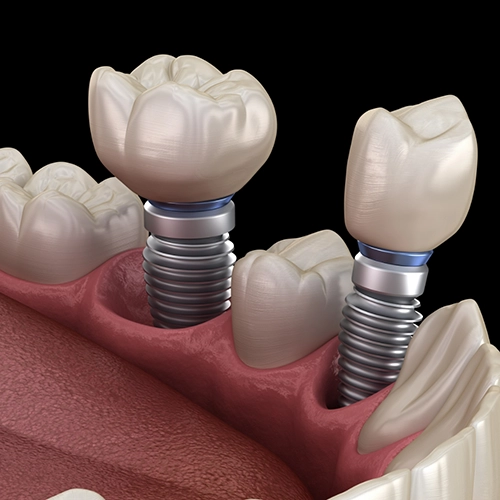
Dental implants are a modern solution for replacing missing teeth. They consist of three main components:
- Implant: A titanium post that is surgically placed into the jawbone. This post serves as the root of the new tooth, providing a strong and stable foundation.
- Abutment: A connector that holds the implant and the artificial tooth together. The abutment is placed on top of the implant once it has integrated with the jawbone.
- Restoration: The artificial tooth or teeth that look and function naturally. The restoration is custom-made to match the color, shape, and size of your teeth. This can be a dental crown, bridge, or denture depending on how many teeth you’re replacing.
The Dental Implant Process

The dental implant process involves several key steps:
- Consultation: This is an initial evaluation to determine if you are a good candidate for dental implants. During this consultation, Dr. Heinsheimer will assess your oral health, take X-rays, and discuss your treatment options.
- Implant placement: The titanium post is surgically inserted into the jawbone. We perform this procedure by administering local anesthesia to keep you comfortable. The implant is then left to heal and integrate with the jawbone.
- Healing period: The implant integrates with the jawbone over several months. This process, known as osseointegration, is crucial to the implant's stability and success. During this time, the bone grows around the implant, securing it in place.
- Abutment placement: A small connector is attached to the top of the dental implant. Once the implant has fully integrated with the jawbone, Dr. Heinsheimer will place the abutment. This connector will hold the restoration securely in place.
- Restoration placement: The artificial tooth or teeth are placed on the abutment, completing the restoration. The prosthetic is custom-made to match your natural teeth, ensuring a perfect fit and appearance.
Benefits of Dental Implants

Dental implants offer numerous benefits, including:
- Durability: Dental implants are designed to last many years, often a lifetime, with proper care.
- Functionality: Implants function like natural teeth, allowing you to eat, speak, and smile with confidence.
- Bone health: Implants help preserve jawbone density, preventing bone loss that occurs with missing teeth.
- Aesthetics: Implants look and feel like your natural teeth, enhancing your smile’s appearance.
Who Dental Implants Can Help

Most individuals are good candidates for dental implants because they can replace any number of missing teeth. Our team will need to assess your oral health and discuss your medical history before deciding how to proceed. Once we determine what kind of dental implants you need, we’ll explain your options.
Missing One Tooth
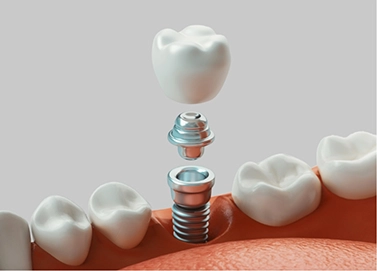
Single tooth dental implants are ideal for replacing one missing tooth. This type of implant fills the gap left by the missing tooth, preventing adjacent teeth from shifting. It’s topped with a custom-made dental crown for seamless results.
Missing Multiple Teeth
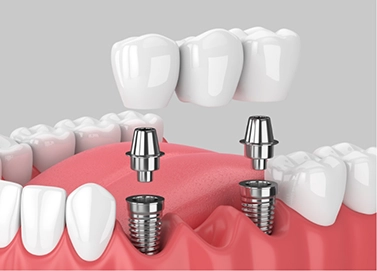
A great option for replacing multiple missing teeth in a row is an implant bridge. Unlike traditional bridges that rely on adjacent teeth for support, implant bridges are anchored to the posts, offering a more stable and long-lasting solution. This option is beneficial for patients with several missing teeth, providing a natural look and feel.
Missing All Teeth
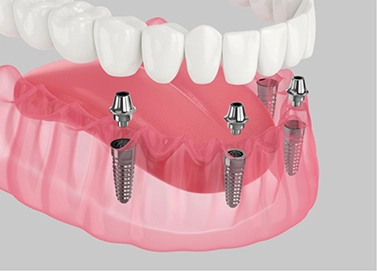
Dentures supported by implants provide stability and comfort for those who need to replace an entire arch of teeth. Traditional dentures can sometimes slip and cause discomfort, but implant dentures are anchored to implants, ensuring a secure fit. This type of implant is ideal for patients who have lost all their teeth in the upper or lower jaw, providing improved chewing ability and speech. We’re also proud to provide All-on-X dental implants, which can help some patients with low jawbone density enjoy the benefits of implant dentures as well.
Dental Implant Post-Op Instructions
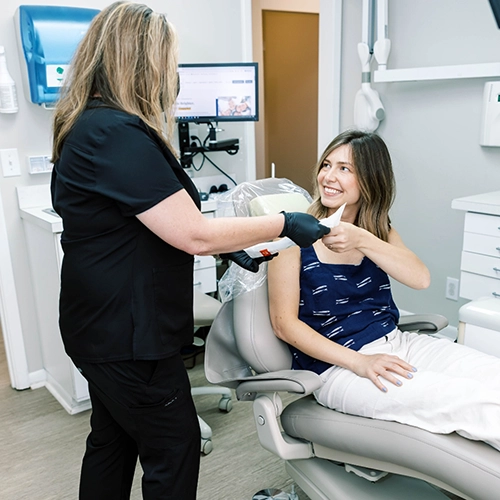
Wondering what you can expect right after your dental implant surgery? We’ll be sure to walk you through everything you can expect and answer any questions you may have, but here are some general guidelines you can keep in mind:
- Initial healing after surgery: Expect some discomfort and swelling for the first few days. This is a normal part of the healing process and can be managed with over-the-counter pain relievers and ice packs. It is important to follow your dentist’s post-operative care instructions to minimize discomfort and promote healing.
- Osseointegration (several months following surgery): The implant fuses with the jawbone over three to six months. During this time, it is crucial to maintain good oral hygiene and avoid putting excessive pressure on the implant. Our team will monitor your progress and ensure that the implant is integrating properly.
- Placement of the final restoration: Once healed, the abutment and restoration are placed, completing your new smile! You may feel some slight sensitivity as you get used to your new replacement teeth, but many patients don’t notice any difference!