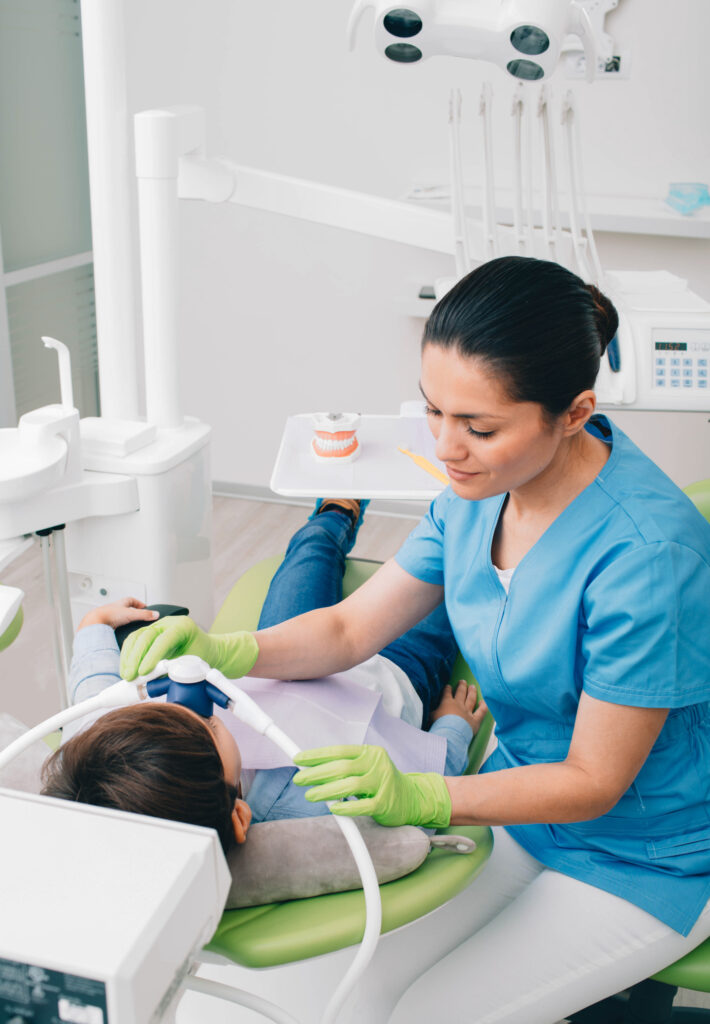
Nitrous oxide dentistry is a safe, fast-acting inhalation sedation that utilizes a blend of oxygen and laughing gas to instantly eliminate dental anxiety. This mild sedative allows you to remain fully awake, deeply relaxed, and pain-free during your dental procedure, with zero lingering grogginess afterward.
The Lunch Break Dental Sedation
For patients with packed schedules, taking a full day of Paid Time Off (PTO) for a minor dental procedure is frustrating. In the past, if you needed medication to calm your nerves for a cavity filling, you had to clear your entire schedule and find a friend to drive you home. Now, nitrous oxide has significantly reduced the amount of time investment that is required. Because laughing gas is an inhalation sedative, it does not linger in your digestive tract or bloodstream like oral pills do. Within five minutes of removing the mask, you are back to 100% cognitive function. You can leave your office, visit Azalea Dental for a stress-free, sedated filling, and confidently drive yourself right back to your desk for your afternoon meetings.
Silencing a Sensitive Gag Reflex During Routine Care
Dental anxiety is not always about a fear of needles; for many patients, it is the intense, embarrassing fear of gagging. If you have a hyper-sensitive gag reflex, even routine tasks like taking digital X-rays or sitting through a bi-annual teeth cleaning can feel impossible. This physical reaction often leads patients to avoid preventive care, resulting in much larger dental bills down the road. Nitrous oxide is a highly effective, non-invasive solution for a sensitive gag reflex. As the gas gently depresses your central nervous system, it naturally relaxes the smooth muscles in your throat and dulls the sensory triggers in the roof of your mouth. Clinical literature supports that a drop in heart and respiratory rates is attributable to the relaxation and decrease of anxiety that the N2O produces and is not a direct result of the drug itself [1] (Khinda et al., 2021). You remain fully conscious and able to swallow normally, but the spontaneous urge to gag is essentially turned off. It allows our hygienists to thoroughly clean your back molars and capture accurate X-rays while you lie back and relax.
A table that compares the correct comfort level of sedation
Sedation | Cost | Recovery | Maintenance |
Local anesthesia | $0 | Numbness that lasts 2 -4 hours | Low |
Nitrous oxide | Low | Euphoria fades in 5 minutes | Low |
Oral conscious sedation | Moderate | Deep grogginess | High |
Making Your Child’s Visit Tear-Free
If you are a parent, your primary goal is to protect your child from the same dental anxiety you may have experienced growing up. When a young child needs a small filling or a pediatric crown, asking them to sit perfectly still while they are nervous is challenging. At Azalea Dental, we never force treatment on a fearful child. Instead, we use child-friendly pacing. We introduce the nitrous oxide mask. As your child breathes in the gas, their restlessness melts into a deep state of relaxation. They remain awake, meaning they can still watch their favorite show on our monitors and hold your hand, but they completely lose their fear of the dental tools. This ensures they get the cavity protection they need while building a positive, lifelong relationship with the dentist.
The Biological Safety of Inhalation Sedation
The biological safety profile of nitrous oxide is high because it is essentially an inert gas. When you take a prescription anti-anxiety pill, the medication must be processed and broken down by your liver and kidneys, which is why it leaves you feeling groggy for hours. Nitrous oxide skips your digestive system completely. It enters your bloodstream through your lungs to calm your brain, and then exits your body through your breath. It is not metabolized by your organs, making it a remarkably clean, non-toxic option for patients who want a holistic, low-impact approach to their healthcare.
Are You the Ideal Candidate for Nitrous Oxide?
While nitrous oxide is versatile, absolute medical transparency is our priority at Azalea Dental. Dr. Barbaro will always review your medical history before recommending any form of sedation.
- When to say YES: Laughing gas is the perfect fit if you experience mild to moderate dental anxiety, suffer from claustrophobia in the dental chair, have a strong gag reflex, or have a low pain tolerance but need to drive yourself home.
- When to say NO: Medical literature supports that the safe treatment of patients with chronic obstructive pulmonary disease (COPD) in dental office-based settings can be quite complex [2] (Chino et al., 2019). Because you must be able to breathe the gas through your nose, it is not effective if you currently have a severe sinus infection, a stuffy nose, or a respiratory condition like COPD.
FAQS
1. Can I go directly back to work after having laughing gas?
Yes, absolutely. Because we flush your system with 100% pure oxygen at the end of your appointment, the cognitive effects of nitrous oxide dissipate within 5 to 10 minutes.
2. Is nitrous oxide safe for my child’s cavity filling?
Yes. Nitrous oxide is considered the safest and most widely used sedative in pediatric dentistry. It is non-invasive, needle-free, and effective at helping children sit still and remain calm during restorative treatments.
3. Does laughing gas actually numb my teeth?
No, nitrous oxide is not a painkiller; it is an anti-anxiety medication. It relaxes your brain and suppresses your fear response. To ensure you feel absolutely zero sharp pain, Dr. Barbaro will always use a local anesthetic (numbing injection) in tandem with the laughing gas.
References
[1] Khinda, V., Rao, D., Sodhi, S. P., Brar, G. S., & Marwah, N. (2021). Physiological Effects, Psychomotor Analysis, Cognition, and Recovery Pattern in Children Undergoing Primary Molar Extractions under Nitrous Oxide Sedation Using Two Different Induction Techniques: A Split-mouth Randomized Controlled Clinical Trial. International journal of clinical pediatric dentistry, 14(Suppl 2), S131–S137. https://doi.org/10.5005/jp-journals-10005-2090
[2] Chino, K., Ganzberg, S., & Mendoza, K. (2019). Office-Based Sedation/General Anesthesia for COPD Patients, Part II. Anesthesia progress, 66(1), 44–51. https://doi.org/10.2344/anpr-66-02-05