
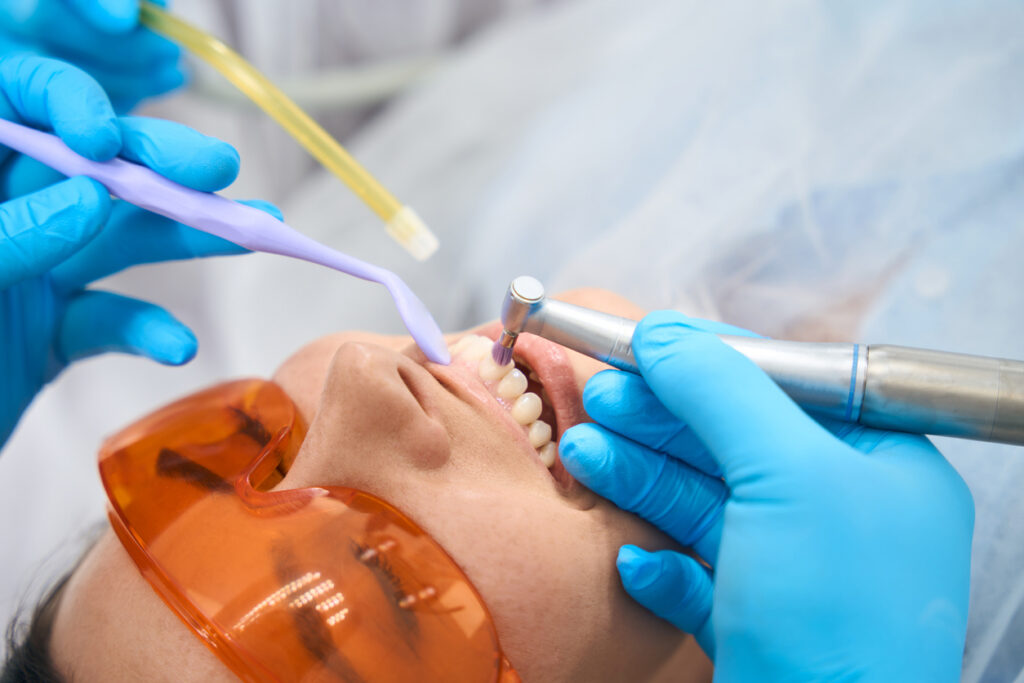
The best soft foods to eat after a tooth extraction include room-temperature blended soups, Greek yogurt, applesauce, scrambled eggs, and mashed potatoes. To protect the healing blood clot and prevent a painful dry socket, our team at Azalea Dental recommends patients to, avoid crunchy, spicy, or hot foods, and never drink through a straw during their recovery.
The Danger Zone: Foods You Must Absolutely Avoid
Knowing what not to eat is just as important as knowing what is safe to eat. After your tooth is extracted, the extraction site is incredibly vulnerable. Eating food of the wrong texture or temperature can trigger a painful complication. The medical literature supports the use of specialized dietary strategies pre- and post-surgery as an ideal approach to optimizing healing after dental implant and periodontal surgery [1] (Lau et al., 2013). For the first week of your recovery, you must completely avoid:
- Crunchy and Crumbly Foods: Chips, popcorn, nuts, and crackers are strictly off-limits. These foods break down into sharp, tiny fragments that can easily lodge in the healing socket.
- Sticky and Chewy Candies: Caramel, gummies, or tough meats force your jaw to work overtime. The pulling motion can physically dislodge the protective blood clot.
- Spicy and Acidic Foods: Hot sauce, citrus juices, and tomatoes will severely burn and irritate your raw gum tissue.
- Piping Hot Meals: Boiling-hot soups or fresh coffee increase blood flow to the surgical site, which can worsen your facial swelling and even melt the newly formed blood clot.
Table that compares long-term tooth replacement options
Treatment category | Estimated cost impact | Long-term durability | Maintenance level |
Dental implants | High | Significant longevity | Very low |
Dental bridge | Moderate | 10-15 years | Moderate |
Partial denture | Low to moderate | 5-10 years | High |
No replacement | $0 today | Very low | High |
How to Eat Nutritiously When You Cannot Chew
You can get the vitamins and protein your body needs to repair your gum tissue without chewing. Protein is the building block of healing. To keep your energy up, try adding unflavored collagen powder or whey protein to a bowl of cold blended fruit. Bone broth is another nutrient-dense option composed of healing minerals. Just make sure you let it cool to room temperature before eating. Hummus, mashed sweet potatoes, and smooth peanut butter (without the crunchy nuts) are also fantastic ways to keep you full and focused while your mouth recovers.
The "No-Straw" Rule Explained
Clinical literature supports that suction from drinking through a straw can dislodge the blood clot [2] (Cleveland Clinic, 2023). Do not use a straw for at least 5 days after your extraction, as doing so is the leading cause of “dry socket.” A dry socket occurs when the protective blood clot over your jawbone is dislodged before the gum tissue has healed. When you suck on a straw, you create a powerful vacuum of pressure inside your mouth. That intense suction physically rips the blood clot out of the socket, leaving your jawbone and underlying nerves completely exposed to the air. It can be incredibly painful. Always drink your liquids directly from the rim of a glass or eat them with a spoon to keep that clot safely in place.
Managing Swelling and Pain Through Your Diet
Your diet not only protects your extraction site; it can also act as medicine. In the first 48 hours after your procedure, facial swelling and mild throbbing are completely normal. In fact, clinical evidence supports the use of cryotherapy on the first day after mandibular third molar removal to manage edema (swelling) in patients [3] (Fernandes et al., 2019). While you should use an ice pack on your cheek, you can also use your food as an “internal” ice pack. Eating cold foods helps constrict the blood vessels in your gums, which naturally reduces inflammation. A bowl of smooth ice cream, chilled applesauce, or a cold yogurt bowl can provide immediate, soothing relief. Just remember to avoid ice creams with hard mix-ins like chocolate chips or cookie chunks.
Returning to Normal: Your Dietary Transition Timeline
Your mouth heals remarkably fast, and having a clear timeline helps remove the anxiety of wondering when you can eat regular food again. Here is a simple roadmap to safely transition your diet:
- Days 1 to 2: Stick entirely to liquids and purees. Think cold broths, yogurt, and smooth milkshakes. Do not chew at all.
- Days 3 to 5: As your swelling drops, introduce soft solids. If you can easily mash it with a fork, it is safe to eat. Chew slowly on the side of your mouth opposite the extraction.
- Days 6 to 7: You can start introducing heartier meals like ground chicken, soft bread, and steamed vegetables.
- Day 8 and Beyond: Most patients can resume their normal diet. However, you should still avoid extremely crunchy foods like popcorn
FAQS
1. Can I eat pasta after a tooth extraction?
Yes, but you should wait until about Day 3 or Day 4. Choose very soft noodles, like macaroni, and cook them until they are exceptionally tender. Avoid highly acidic tomato sauces initially, as they can sting the healing gum tissue.
2. When can I eat solid food?
Most patients can begin transitioning back to a solid-food diet within 7 to 10 days, depending on the extraction. You should slowly reintroduce solid foods, chewing on the opposite side of your mouth until the extraction site is completely pain-free.
3. Does coffee dissolve the blood clot after an extraction?
Yes, hot coffee can dissolve the blood clot and lead to a dry socket. For the first 48 hours, you must avoid all hot beverages. If you absolutely need your caffeine fix, opt for iced coffee, but remember to drink it directly from the cup—never use a straw.
References
[1] Lau, B. Y., Johnston, B. D., Fritz, P. C., & Ward, W. E. (2013). Dietary strategies to optimize wound healing after periodontal and dental implant surgery: an evidence-based review. The open dentistry journal, 7, 36–46. https://doi.org/10.2174/1874210601307010036
[2] Cleveland Clinic. (2023, September 28). Dry Socket: What It Is, Symptoms & Treatment. Cleveland Clinic. https://my.clevelandclinic.org/health/diseases/17731-dry-socket
[3] Fernandes, I. A., Armond, A. C. V., & Falci, S. G. M. (2019). The Effectiveness of the Cold Therapy (cryotherapy) in the Management of Inflammatory Parameters after Removal of Mandibular Third Molars: A Meta-Analysis. International archives of otorhinolaryngology, 23(2), 221–228. https://doi.org/10.1055/s-0039-1677755